
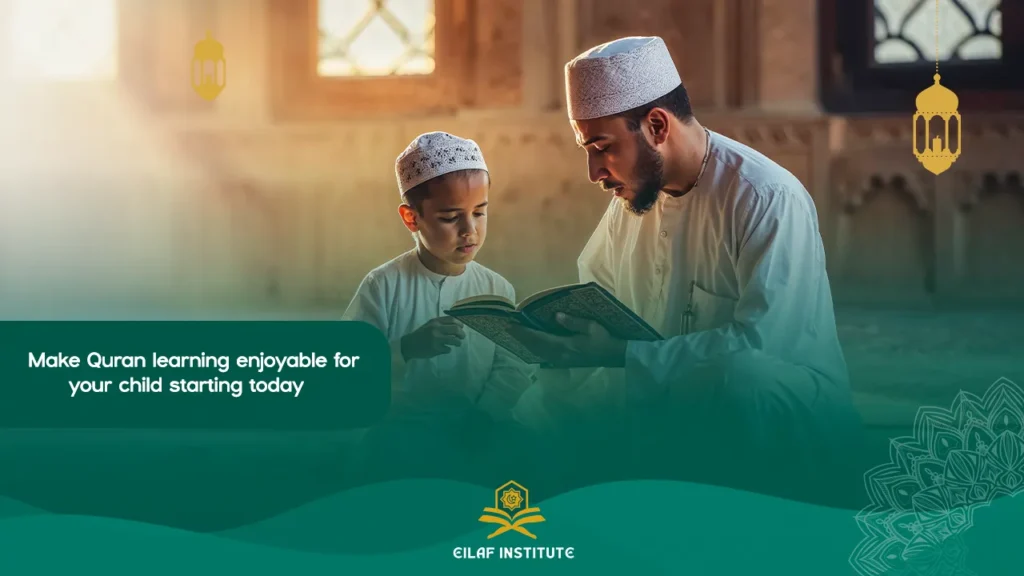
To Motivate Kids to Learn Quran, you must transform the experience from a repetitive task into an engaging journey built on emotional connection and consistent positive habits. This involves using interactive tools, understanding individual learning styles, and ensuring the child feels a sense of accomplishment rather than the weight of a heavy burden. When the process is fun and rewarding, children naturally develop a lifelong love for the holy book.
Why Kids Lose Interest in Learning the Quran?
Children typically lose interest when the learning process becomes monotonous or when they feel a disconnect between the sacred text and their daily activities. If the environment feels like a place of constant correction rather than discovery, their natural curiosity begins to fade away quickly.
1. Common Challenges in Quran Memorization for Kids
The primary challenges involve the difficulty of Arabic phonetics for non-native speakers, short attention spans, and the struggle to retain old verses. Memorizing a language that is not their primary mode of communication requires significant mental effort and very high levels of patience.
- Complex Pronunciation: Mastering Tajweed rules and the correct points of articulation can be physically tiring for young learners’ mouths.
- Memory Overlap: Children often struggle to keep previous Surahs fresh in their minds while trying to store new information simultaneously.
- External Distractions: In a world filled with high-stimulation entertainment, the quiet nature of Quranic study can feel slow to a child.
- Cognitive Load: Trying to learn too much at once leads to mental fatigue and a decrease in the speed of memorization.
2. Lack of Engagement in Traditional Teaching Methods
Traditional methods often rely heavily on repetitive drilling, which can fail to capture the imagination of a modern child accustomed to interaction. While repetition is necessary, relying on it exclusively makes the learning process feel rigid, mechanical, and sometimes very discouraging for kids.
- One-Size-Fits-All Approach: Standard settings often ignore the fact that some children are visual learners while others are auditory.
- Monotonous Delivery: A teacher who only focuses on reading back verses without storytelling or interaction may lose the child’s focus.
- High-Pressure Environments: Classroom settings that prioritize speed over quality can lead to long-term resentment toward the subject of religion.
- Absence of Visual Aids: Learning purely from black-and-white text without any visual stimulation makes it harder for children to map information.
3. Pressure vs. Encouragement: What Works Better?
Encouragement acts as fuel, keeping a child moving forward willingly, while pressure acts like a heavy weight that brings a stop. Research shows that positive reinforcement creates stronger neural pathways for learning and helps in teaching Quran easily to younger age groups.
- Positive Reinforcement: Small rewards and words of praise trigger a sense of achievement, making the child want to repeat the behavior.
- Building Confidence: Encouragement helps a child view mistakes as small stepping stones rather than failures, which is vital for long-term progress.
- Psychological Safety: When a child feels safe to make mistakes without fear, they are more likely to try harder and stay committed.
- Emotional Resilience: A child who feels supported is less likely to give up when they reach a difficult or long Surah.
4. Understanding Your Child’s Learning Style
Every child processes information differently, and matching your teaching style to their natural preference can significantly speed up their overall progress. By identifying whether a child is visual, auditory, or hands-on, you can make the process of Quran memorization that kids experience much more effective.
- The Auditory Learner: These children benefit from listening to high-quality recitations and recording their own voices to hear their own progress.
- The Visual Learner: Using color-coded Tajweed Mushafs, progress charts, and educational videos helps these children see the patterns in the text.
- The Kinesthetic Learner: These kids might need to pace around the room or use hand gestures while they recite to stay focused.
- The Social Learner: These children thrive in small groups where they can recite to their peers or participate in friendly group competitions.
Book now: Quran classes for kids
Proven Techniques to Motivate Kids to Learn Quran
The most effective techniques focus on breaking down large tasks into manageable pieces and ensuring the child feels ownership over their progress. This creates a sustainable momentum that does not rely on constant parental nagging or negative pressure from the family.
1. Setting Realistic Goals for Quran Memorization
Realistic goals are based on a child’s current ability and daily schedule rather than an arbitrary timeline or comparison with other children. When goals are attainable, the child feels capable, but when they are too high, the child feels like a failure.
- Quality Over Quantity: It is better to memorize three verses perfectly than a whole page with numerous errors and poor Tajweed.
- Flexible Scheduling: On days when schoolwork is heavy, reduce the Quran load to maintain the habit without adding extra stress.
- Milestone Planning: Break a Juz down into smaller sections and celebrate the completion of each one to keep the goal visible.
- Pacing: Acknowledge that every child has a different speed; focus on the effort they put in rather than the number of pages.
2. Positive Reinforcement and Encouragement Strategies
Positive reinforcement involves noticing and praising the effort, the patience, and the focus of the child, not just the final result. This strategy builds a child’s identity as a capable and hardworking student, which helps motivate children in their Islamic education.
- Specific Praise: Instead of saying “Good job,” say “I loved how you focused on that difficult letter today; you got it right.”
- Non-Material Rewards: Rewards can be extra playtime, choosing the dinner menu, or a special outing with the parents to celebrate progress.
- The Progress Wall: Use a sticker chart where each star represents a verse mastered, providing a visual representation of their hard work.
- Verbal Affirmation: Regularly tell your child how proud you are of their dedication and emphasize that their effort pleases Allah.
3. Building a Consistent Quran Learning Routine
A consistent routine removes the negotiation phase from the day because the child knows exactly when Quran time happens. Like a plant needs regular watering to grow, the memory needs daily and predictable sessions to solidify the learned verses effectively.
- The Anchor Habit: Attach Quran time to an existing habit, like right after breakfast, so it becomes an automatic part of the day.
- Duration Consistency: Keep sessions short but frequent; twenty minutes every day is better than two hours once a week for long-term memory.
- Environment Preparation: Have the Mushaf and a quiet space ready before the session starts to avoid any unnecessary interruptions or delays.
- The Ritual of Beginning: Start with a short Du’a for ease, which helps the child transition from play mode into a learning state.
4. Making Quran Learning a Daily Habit
Turning Quran learning into a daily habit requires integrating it into the family’s lifestyle so that it feels natural and expected. When the Quran is a constant presence in the home, the child views it as a companion rather than a textbook.
- Car Recitations: Play the child’s current Surah on the way to school to use travel time for passive listening and review.
- Family Circles: Have a five-minute session where everyone in the family reads one verse aloud, showing that learning is a shared value.
- Quranic Discussions: Discuss the meanings of verses during meals to show how the Quran relates to real-world kindness and good behavior.
- Audio Atmosphere: Keep a soft recitation playing in the background of the house to help the child become familiar with the rhythm.
Read also about: Islamic Activities For Kids
Using Games and Technology to Support Quran Memorization for Kids
Modern technology offers interactive and vivid ways to engage children who are already accustomed to using digital interfaces and screens. By using fun learning Quran tools, you can bridge the gap between traditional wisdom and modern learning preferences very successfully.
- Interactive Visuals: Apps that use colors and animations help children memorize the order of verses more quickly and with less effort.
- Instant Feedback: Many digital tools provide immediate Tajweed correction, allowing the child to learn and adjust their voice in real-time.
- Gamified Rewards: Digital badges and level-ups provide a hit of accomplishment similar to what children feel when playing their favorite video games.
- Global Community: Some platforms allow kids to participate in safe competitions with other children, making the process feel more social and exciting.
Know more about: Quran Benefits For Kids
The Role of Parents in Motivating Kids to Learn the Quran
The parent is the most influential teacher a child will ever have, and your attitude toward the Quran dictates their own perception. If you view the Quran as a source of peace and guidance, they will eventually see it that way too.
- The Emotional Anchor: Be the person who provides comfort when they struggle with a difficult verse, ensuring they do not give up.
- The Resource Provider: Ensure they have the right tools, including a comfortable chair, a good Mushaf, and a quiet learning space.
- The Coach Role: Move away from being a judge who only looks for mistakes and become a coach who helps them improve.
- The Consistency Driver: You are the one who maintains the routine when the child’s motivation naturally dips during the week.
Enroll your child in a Quran reading course for kids – free trial!
How do I make my child love the Quran?
Connect the Quran to positive emotions by telling beautiful stories and focusing on Allah’s mercy rather than just rules. Avoid using the Quran as a source of stress, and ensure the child sees you enjoying your own recitation time.
What is the best way to teach kids the Quran?
The best way is a combination of consistency, very short sessions, and Tajweed-focused learning that respects the child’s speed. Use interactive tools to keep them engaged while maintaining a structured daily routine that feels natural.
Do rewards help motivate children?
Yes, rewards are highly effective for building initial momentum and celebrating major milestones in their memorization journey. However, they should be used to celebrate the child’s effort and dedication rather than being used as a bribe.