Umrah is one of the most spiritually uplifting acts of worship in Islam. Often called the “lesser pilgrimage,” it allows Muslims to visit the holy city of Mecca and perform sacred rituals connected to faith, repentance, and devotion to Allah. Unlike Hajj, Umrah is not compulsory, but it carries immense rewards and blessings for those who perform it sincerely.
The Quran does not discuss Umrah as in-depth as it does Hajj, yet it clearly establishes its importance and spiritual significance. Through Quranic verses and the teachings of Prophet Muhammad ﷺ, Muslims understand Umrah as an act of obedience, purification, and closeness to Allah.
This article explores what the Quran says about Umrah, its meaning and purpose, and the spiritual lessons associated with this sacred journey.
Understanding the Meaning of Umrah
The word “Umrah” literally means “to visit a populated place.” In Islamic terminology, it refers to the pilgrimage to the Kaaba in Mecca outside the specific days of Hajj.
The rituals of Umrah include:
- Entering the state of Ihram
- Performing Tawaf around the Kaaba
- Walking between Safa and Marwah (Sa’i)
- Shaving or trimming the hair
Although Umrah is shorter and simpler than Hajj, its spiritual impact can be life-changing.
The Quranic Reference to Umrah
The clearest mention of Umrah in the Quran appears in Surah Al-Baqarah:
“And complete the Hajj and Umrah for Allah.”
(Surah Al-Baqarah 2:196)
This verse highlights that Umrah is an act of worship dedicated solely to Allah. Scholars explain that this command emphasizes sincerity, devotion, and proper completion of the pilgrimage rituals.
The verse also teaches Muslims that acts of worship should not be performed for status, recognition, or worldly gain. The purpose of Umrah is spiritual purification and submission to Allah alone.
Umrah as an Act of Devotion
The Quran repeatedly encourages believers to remember Allah and seek His forgiveness. Umrah combines both of these purposes in a powerful way.
During Umrah, Muslims leave behind worldly distractions and focus entirely on worship. Every ritual symbolizes obedience and humility before Allah.
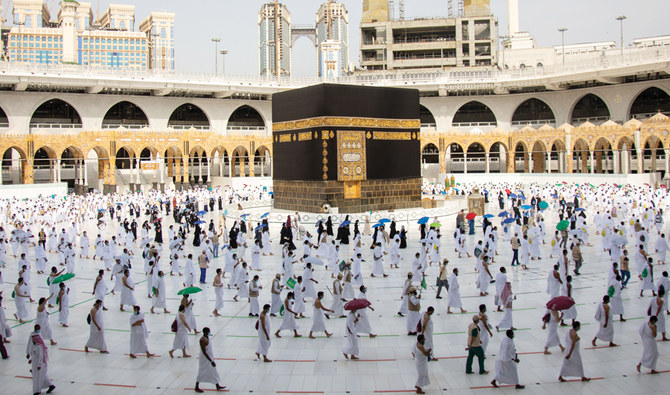
When pilgrims circle the Kaaba, they reflect on the unity of Muslims worldwide. Regardless of nationality, language, or wealth, everyone stands equal before Allah.
The Quran states:
“Indeed, the first House established for mankind was that at Bakkah – blessed and a guidance for the worlds.”
(Surah Aal-e-Imran 3:96)
This verse refers to the Kaaba and explains its sacred status. The holy sanctuary is not just a building; it is a symbol of faith, guidance, and unity for all believers.
The Spiritual Purpose of Umrah
One of the major themes of the Quran is repentance and returning to Allah. Umrah provides Muslims with a unique opportunity to seek forgiveness and renew their faith.
Many pilgrims describe the experience as spiritually transformative. Standing near the Kaaba, making dua, and worshipping in the sacred mosque create a deep emotional connection with Allah.
The Quran says:
“And turn to Allah in repentance, all of you, O believers, that you might succeed.”
(Surah An-Nur 24:31)
Umrah reflects this Quranic message beautifully. It is a journey of repentance, self-reflection, and spiritual renewal.
The Connection Between Umrah and Prophet Ibrahim (AS)
The rituals of Umrah are deeply connected to the legacy of Prophet Ibrahim, his wife Hajar, and their son Ismail (AS).
The Quran mentions how Prophet Ibrahim (AS) and Ismail (AS) raised the foundations of the Kaaba:
“And [mention] when Ibrahim was raising the foundations of the House and [with him] Ismail…”
(Surah Al-Baqarah 2:127)
The ritual of Sa’i, walking between Safa and Marwah, commemorates Hajar’s desperate search for water for her son. Allah honored her patience and trust by creating the Zamzam well.
The Quran specifically mentions Safa and Marwah:
“Indeed, Safa and Marwah are among the symbols of Allah.”
(Surah Al-Baqarah 2:158)
This verse confirms the sacred importance of these locations and validates the ritual performed during Umrah.
Equality and Unity in Umrah
One of the most beautiful teachings reflected in Umrah is equality among believers.
In Ihram, pilgrims wear simple white garments that remove visible signs of wealth, status, and social class. Everyone appears equal before Allah.
The Quran teaches:
“Indeed, the most noble of you in the sight of Allah is the most righteous of you.”
(Surah Al-Hujurat 49:13)
This principle becomes visible during Umrah. Millions of Muslims from diverse backgrounds gather with the same purpose: to worship Allah sincerely.
The Rewards of Umrah
Although the Quran does not list detailed rewards for Umrah, the Sunnah clearly explains its virtues.
Prophet Muhammad ﷺ said:
“One Umrah to another is an expiation for the sins committed between them.”
(Sahih al-Bukhari and Sahih Muslim)
This hadith aligns with the Quranic theme of mercy and forgiveness. Umrah becomes a means for believers to cleanse their hearts and strengthen their relationship with Allah.
Many Muslims save for years to perform this sacred journey. Today, travel companies such as Bismillah Travel help pilgrims arrange journeys through services including Cheap Umrah Packages, making the pilgrimage more accessible for families and individuals.
Patience and Discipline During Umrah
The Quran often emphasizes patience, self-control, and discipline. Umrah teaches all of these qualities.
Pilgrims must avoid arguments, bad language, and sinful behavior while in Ihram. They learn to focus on worship, kindness, and humility.
Allah says in the Quran:
“And whatever good you do – Allah knows it.”
(Surah Al-Baqarah 2:197)
Even small acts of patience and sincerity during Umrah carry spiritual value.
Long walks, crowded areas, and physical exhaustion test the believer’s character. Yet these challenges often strengthen faith and increase gratitude.
The Importance of Sincerity
A key message throughout the Quran is the importance of sincerity in worship. Allah accepts deeds performed purely for Him.
Umrah should not be viewed as a vacation or social status symbol. Its real purpose is spiritual closeness to Allah.
The Quran states:
“And they were not commanded except to worship Allah, [being] sincere to Him in religion…”
(Surah Al-Bayyinah 98:5)
This verse reminds Muslims that sincerity is the foundation of every act of worship, including Umrah.
Umrah and the Reminder of the Hereafter
Visiting the Kaaba often reminds believers of the temporary nature of worldly life. The simple clothing of the Ihram resembles the simplicity of the burial shroud, reminding Muslims of death and accountability before Allah.
The Quran frequently calls believers to reflect on the Hereafter:
“Every soul shall taste death…”
(Surah Aal-e-Imran 3:185)
Umrah encourages spiritual reflection and motivates Muslims to improve their relationship with Allah before the final return to Him.
Can Umrah Be Performed Anytime?
Unlike Hajj, which takes place during specific Islamic dates, Umrah can be performed at almost any time of the year.
This flexibility is considered a mercy from Allah. Muslims can undertake the journey whenever they are physically and financially able.
Many believers choose the blessed month of Ramadan for Umrah because of its special spiritual atmosphere.
Lessons Muslims Learn From Umrah
Umrah teaches many lifelong lessons, including:
1. Humility
Pilgrims realize that worldly achievements mean little compared to faith and obedience to Allah.
2. Patience
Travel difficulties and crowded conditions build endurance and emotional control.
3. Gratitude
Visiting holy sites deepens appreciation for Allah’s blessings.
4. Brotherhood
Muslims from every culture pray together in unity and peace.
5. Repentance
Umrah offers the chance to begin a new spiritual chapter.
These lessons remain with believers long after they return home.
Conclusion
The Quran presents Umrah as a sacred act of worship rooted in sincerity, devotion, and remembrance of Allah. Through verses about the Kaaba, Safa, and Marwah, repentance, and unity, the Quran highlights the spiritual depth of this blessed journey.
Umrah is far more than a physical trip to Makkah. It is a journey of the heart — one that renews faith, strengthens patience, and deepens the connection between a believer and Allah. Through the guidance of Eilaf Institute, many students also learn the Quranic teachings and spiritual lessons connected to Umrah and Islamic worship.
For Muslims around the world, Umrah remains a powerful reminder that true success lies not in worldly achievements but in sincere worship and closeness to the Creator.