
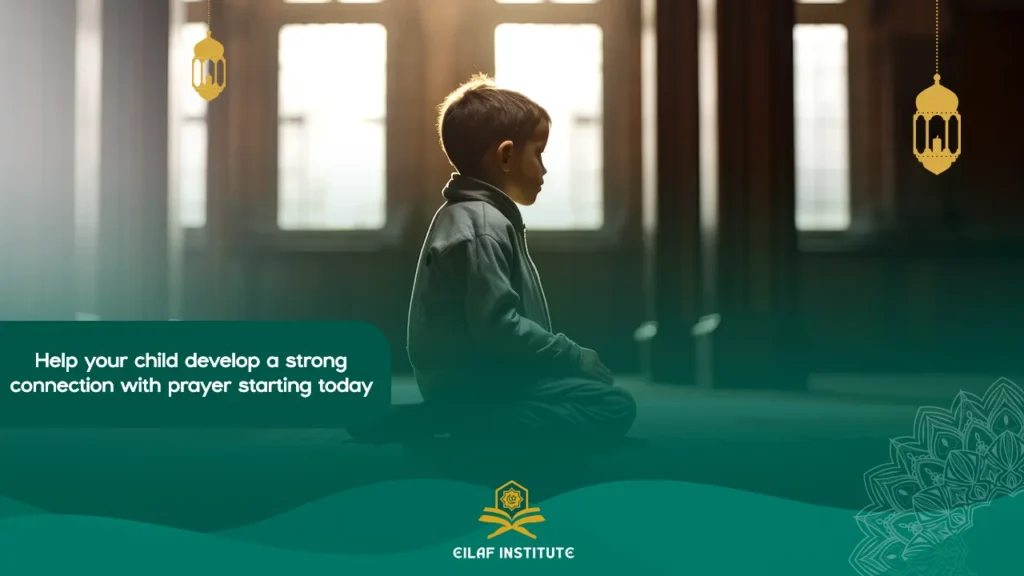
Establishing a prayer habit doesn’t have to feel like a struggle. The secret is focusing on connection over correction. When you lead by example and create a peaceful space for worship, children naturally want to follow. By using simple visual tools to track progress and speaking about the beauty of Allah’s mercy, you can learn how to build a salah routine for kids that lasts a lifetime.
Importance of Teaching Salah Early
Teaching children to pray at a young age allows the practice to become a natural part of their biological rhythm and identity before they face the pressures of adolescence. When a child grows up seeing prayer as a fixed part of their day, it functions like a compass that helps them navigate their daily emotions and schedules with stability.
1- Natural Habit Formation:
Just as children learn to brush their teeth or eat with their right hand through repetition, performing Salah early turns the physical movements into muscle memory. This means that by the time prayer becomes mandatory, the child does not struggle with the “how” or “when” because the habit is already ingrained.
2- Building a Spiritual Identity:
Early exposure helps a child define themselves through their relationship with their Creator. This identity acts as a protective shield, giving them a sense of belonging to a global community and a higher purpose that guides their behavior even when parents are not watching.
3- Development of Discipline:
Prayer introduces the concept of time management and commitment. A child who learns to pause their play five times a day for a higher priority develops better self-regulation and delayed gratification, which are essential skills for academic and personal success.
4- Emotional Support System:
When kids are taught that Salah is a direct conversation with Allah, they gain a powerful tool for emotional health. They learn from a young age that they can always turn to a Higher Power during moments of fear, sadness, or gratitude, reducing the feeling of loneliness or helplessness.
5- Strengthening Family Bonds:
Praying together creates a unique spiritual “anchor” for the family. It is one of the few times in a busy day when everyone stands side-by-side in silence and humility, reinforcing a sense of unity and shared values that words alone cannot provide.
How to Build a Salah Routine for Kids: Simple 5 Steps
Establishing a successful Salah routine follows a “ladder approach” where you start with simple observation and gradually move toward independent commitment over several years. This process ensures the child feels capable and confident rather than overwhelmed by the technical requirements of prayer.
Step 1: Lead by Example (Modeling)
Children are like mirrors; they reflect the actions and attitudes of their parents more than they follow verbal instructions. If your child sees you rushing to the prayer mat with a smile and a sense of peace as soon as the Adhan rings, they will perceive prayer as a desirable and calming activity.
- Visibility Matters: Do not always pray in private. Let your children see you performing your Sunnah or Fard prayers in the living room. Seeing the physical postures of Ruku and Sujud creates a sense of curiosity and a desire to mimic those actions.
- Expressing Joy: After you finish praying, let your child see the positive effects on your mood. Mention how much better you feel after talking to Allah, which teaches them that prayer is a source of comfort rather than a heavy chore to be finished quickly.
Step 2: Establish the Atmosphere
A dedicated space for prayer acts like a physical trigger that tells the child’s brain it is time to transition from play to worship. This environment should be clean, quiet, and aesthetically pleasing to make the experience feel special and dignified.
- Creating a Prayer Nook: Set aside a specific corner of the house decorated with Islamic art, a small bookshelf for Quran, and comfortable mats. When a child has a “place” for Salah, they develop a sense of ownership over their worship.
- Personalized Gear: Provide the child with their own small prayer rug and a special outfit or cap. Having their “own” tools makes them feel like they have graduated to a more mature and responsible role within the family.
Step 3: Use Visual Aids and Salah Charts
Visualizing progress is one of the most effective Islamic parenting tips because it transforms an abstract obligation into a tangible achievement that the child can track and feel proud of.
- The Reward Chart: Use a colorful poster where the child can place a star or a sticker for every prayer they complete. This provides immediate positive reinforcement, which is crucial for building long-term daily habits in young minds.
- The Adhan Clock: Having a physical clock that plays the Adhan at home creates a shared auditory cue. This removes the “nagging” element from the parent, as the clock becomes the neutral reminder that it is time to pray, not just a command from a parent.
Step 4: Focus on Meaning, Not Just Actions
Teaching kids prayer involves more than just the mechanics of bending and standing; it requires explaining the spiritual “soul” of the act so the child understands who they are talking to.
- Storytelling: Share stories about why the Prophet (peace be upon him) loved prayer and how it was a “coolness for his eyes.” Relate the movements to feelings of gratitude and humility to make the ritual feel alive.
- Simple Translations: Teach the child the meaning of “Allahu Akbar” or “Alhamdulillah” in their native language. When they understand that they are saying “God is the Greatest” or “All praise is for God,” the words become meaningful instead of just repetitive sounds.
Step 5: Reward Effort Over Perfection
The goal in the early years is to build the habit of standing on the mat, even if the child forgets a word or misses a movement. Focusing on their effort encourages them to keep trying, whereas focusing on their mistakes might make them want to quit.
- Celebrating Consistency: Reward the child for praying all five prayers in a day, or for three days in a row, with a special treat or a family outing. This teaches them that consistency is the ultimate goal of a believer.
- Positive Feedback: Use encouraging words like “I am so proud of how you remembered to pray on your own” or “Your Sujud looked so peaceful today.” These small verbal boosts build the child’s “spiritual confidence.”
Read also about: How To Perform Salah According To Quran?
Common Mistakes Parents Can Make
The most frequent error in teaching Salah is using fear or harshness as a primary motivator, which can lead a child to associate the most beautiful act of worship with feelings of resentment and anxiety.
- Excessive Nagging:
- Constantly shouting “Go pray!” from another room creates a negative atmosphere. Instead of being a reminder, it becomes “white noise” that the child learns to ignore or react to with frustration.
- Comparing Siblings:
- Telling one child, “Look at your brother, he always prays on time” breeds jealousy and makes the child feel like prayer is a competition rather than a personal journey with Allah.
- Ignoring the “Why”:
- Forcing a child to pray without ever discussing the love of Allah or the benefits of gratitude makes the prayer feel like a series of empty aerobic exercises.
- Unrealistic Expectations:
- Expecting a seven-year-old to have the focus of an adult is a mistake. Children will naturally be fidgety or distracted; parents should accept this as part of the learning curve rather than a sign of disrespect.
- Using Prayer as a Punishment:
- Never say, “Go pray because you were naughty.” This teaches the child that prayer is a penalty rather than a gift and a privilege.
Fun Ways to Encourage Kids to Pray
You can make the prayer rug a place of excitement by integrating elements of play, storytelling, and family bonding that appeal to a child’s natural sense of wonder.
- The “Salah Party”: When a child completes their first full week of five daily prayers, host a small “Salah Party” with their favorite cake. This marks the occasion as a major milestone in their life, similar to a birthday or a school graduation.
- Dua Journals: Encourage your child to keep a small notebook where they write or draw things they want to ask Allah for after their prayer. This turns the post-Salah moment into a personal and creative time that they look forward to.
- Group Dhikr Competitions: After the family prayer, engage in a quick game of who can say “SubhanAllah” 33 times with the most focus. Keeping it light and communal makes the spiritual practice feel like a team activity.
Book now: The Five Pillars of Islam course
FAQ
When should kids start praying?
Formal training should begin at age seven, as recommended by the Sunnah, but informal exposure can start as soon as the child is able to walk and mimic movements.
- Before age seven, let them join you on the mat without any pressure to finish the prayer.
- At age seven, start teaching the steps of Wudu and the basic recitations.
- The goal is to have the habit fully formed by age ten, when accountability begins to increase.
How do I make my child consistent in salah?
Consistency is built by making prayer a non-negotiable part of the family “rhythm,” similar to mealtimes or bedtimes.
- Link prayer to existing habits, like “We pray Maghrib, then we have dinner.”
- Use visual checklists so the child feels a sense of completion.
- Keep the atmosphere positive so they choose to pray because they enjoy the feeling, not just because they have to.
Should kids be forced to pray?
Physical force or harsh emotional pressure should be avoided, especially before the age of puberty, as the focus must be on building love and conviction.
- Focus on “inviting” rather than “ordering.”
- If a child refuses, try to understand the root cause; perhaps they are tired, or they don’t understand the steps yet.
- Use gentle reminders and keep modeling the behavior yourself; patience is the most effective tool in Islamic parenting.