
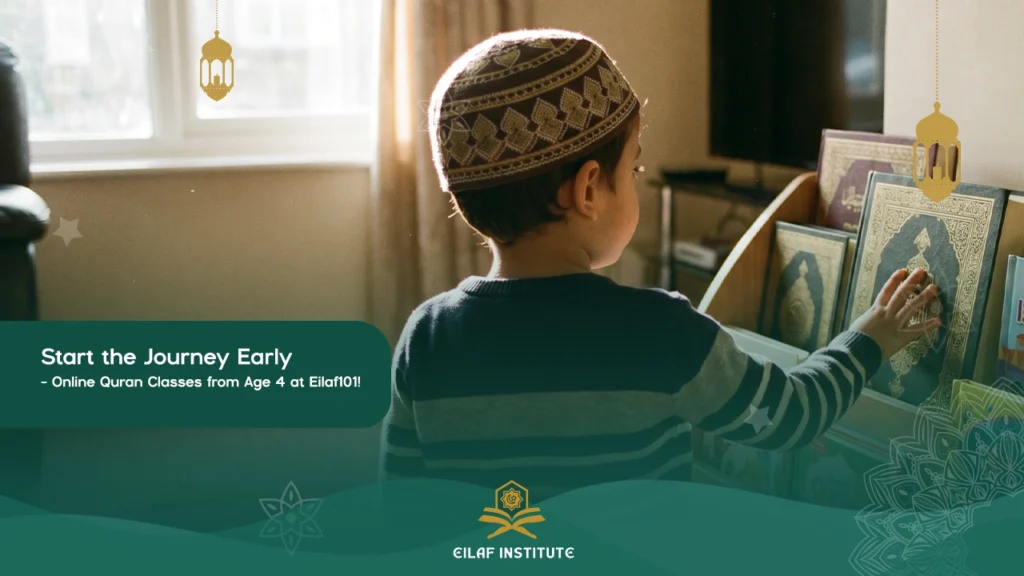
Understanding how to guide your child to love the Quran from birth requires a gentle, multi-sensory approach that focuses on emotional bonding rather than academic pressure. By introducing the rhythms and sounds of the Divine Word during the earliest stages of development, parents can foster a deep-seated spiritual affinity that lasts a lifetime. This process is not about formal instruction in the beginning; it is about creating a home environment where the Quran is a source of peace, comfort, and joy.
How to Guide Your Child to Love the Quran from Birth
Establishing a connection with the Quran begins during pregnancy and infancy through consistent auditory exposure and a calm domestic atmosphere. Since infants are highly sensitive to sound and the emotional state of their caregivers, hearing the Quran recited in a soothing voice helps them associate these sounds with safety and love.
- Pregnancy Recitation: Research suggests that fetuses can hear sounds from the womb; reciting or playing the Quran during pregnancy can be the first step toward early Quran exposure.
- Lullaby Alternatives: Instead of standard nursery rhymes, recite short Surahs or melodious Nasheeds that praise Allah while rocking your baby to sleep.
- Emotional Association: When you recite the Quran, hold your baby close. The physical warmth and the rhythmic vibration of your voice create a powerful positive association with the words of Allah.
- Background Atmosphere: Play soft recitations in the nursery during quiet play or feeding times. This ensures the Quran becomes a familiar “background track” to their earliest memories.
Making the Quran a Natural Part of Your Toddler’s Daily Life
Integrating the Quran into a toddler’s life involves shifting from passive listening to active, play-based engagement that respects their growing curiosity and need for movement. At this stage, a Quran-for-toddlers’ experience should be tactile and visual, helping them recognize that the Book is a special and beloved object in the house.
Simple Quran Activities for Toddlers
Toddlers learn best through sensory exploration and repetition, so activities should be short and highly interactive.
- Sensory Board Books: Use Islamic-themed board books that feature bright colors and simple stories about the Prophets or the wonders of creation mentioned in the Quran.
- Magnetic Arabic Letters: Place colorful magnetic letters on the fridge. Even if they cannot read yet, let them become familiar with the shapes of the Alif-Ba-Ta.
- Audio Mimicry Games: Play a short verse and encourage your toddler to “echo” the last word. Celebrate their attempts with smiles and hugs to build their confidence.
- Nature Walks: Connect the Quran to the world around them. When you see a bird or a flower, mention that Allah created it, referencing simple concepts found in the verses.
Teaching Quran Letters and Short Surahs to Preschoolers
Transitioning to more structured learning for preschoolers should prioritize fun and visual stimulation to maintain their interest. This is the age where reading the Quran for kids moves from recognition to the first attempts at recitation, focusing primarily on the short Surahs of Juz Amma.
Fun Ways to Teach Quran to Preschool Children
Preschoolers thrive on achievement and positive reinforcement, so use tools that track their progress in a rewarding way.
- Sticker Progress Charts: Create a colorful chart where the child gets to place a star or a sticker every time they master a new letter or a short verse.
- Digital Learning Apps: Use age-appropriate, interactive apps that teach the Arabic alphabet through songs and puzzles, making the foundation of early Quran exposure feel like a game.
- Creative Coloring: Print out large Arabic letters or scenes from Quranic stories for the child to color while you tell them the story behind the verse.
- Action-Based Memorization: Assign physical movements to certain words in a Surah. For example, pointing to the sky when mentioning “As-Samaa” helps with both memory and engagement.
Helping School-Age Children Build Strong Quran Habits
As children enter school, the challenge shifts toward maintaining a Daily Quran routine for children that balances their religious studies with their secular academic requirements. This stage requires a move toward more disciplined practice, though the focus must remain on the internal love for the Quran rather than just “finishing the task.”
Creating a Consistent Daily Quran Routine
Consistency is far more valuable than duration; a child who practices for fifteen minutes every day will progress faster than one who studies for two hours once a week.
- The “Golden Hour”: Identify a time when your child is most alert, such as early morning before school or right after a post-school snack, and dedicate it to the Quran.
- Shared Reading Sessions: Spend a few minutes reading the Quran for kids together, where you read one verse, and they read the next. This makes it a bonding activity rather than a solitary chore.
- Goal Setting: Help your child set realistic weekly goals, such as memorizing three new verses or perfecting the Tajweed of a specific Surah.
- Discussion Time: Ask your child what they learned or what a specific verse means to them. This encourages critical thinking and a deeper personal connection to the text.
Read also about: Best age to start Tajweed for kids
How Parents Can Inspire a Love of the Quran at Every Stage
Parents act as the primary mirror for their children; if you want to raise a Quran-loving child, they must see that you yourself find solace and guidance in the Book of Allah. Your emotional response to the Quran will dictate how they perceive it throughout their lives.
Leading by Example in Quran Learning
Children are keen observers and will naturally emulate the behaviors they see repeated at home.
- Visible Practice: Let your child catch you reading your daily Wird. When they see that you prioritize the Quran in your busy life, they will understand its importance.
- Sharing the Peace: When you are feeling stressed or happy, mention how a specific verse helped you. This shows the child that the Quran is a practical tool for emotional well-being.
- Professional Support: Sometimes, a child benefits from a mentor who can provide structured guidance and fresh motivation.
Eilaf101 offers specialized Quran classes for kids that combine traditional knowledge with modern, engaging teaching methods. These sessions are designed to be interactive and supportive, ensuring that the student feels a sense of mastery and joy in every lesson. By providing your child with access to expert tutors, you ensure they develop correct Tajweed and a strong foundation in a professional environment that complements your efforts at home.
When Should I Start Reciting the Quran to My Baby?
You can start from the very beginning—even during pregnancy. Infancy is the perfect time for passive listening, as it helps the baby become familiar with the phonetics of Arabic and the calming rhythm of Quranic verses.
How Do I Make My Toddler Love the Quran?
The best way is to keep it fun and pressure-free. Use the Quran for toddler board books, play background recitations during their playtime, and always associate the Quran with positive emotions like cuddles, rewards, and happy family moments.
What Surahs Should Kids Know by Age 5?
By age five, many children can memorize short Surahs from the end of the Quran, such as Surah Al-Ikhlas, Al-Falaq, An-Nas, and Al-Fatiha. The focus should be on correct pronunciation and the joy of completion rather than the quantity of verses.