Online Islamic courses for kids vs madrasah represent the two primary pathways parents choose to provide a religious foundation for their children. While the traditional madrasah focuses on communal learning and physical presence within a mosque environment, online courses prioritize individual attention, specialized curricula, and the convenience of learning from home. Deciding between them requires a careful look at a child’s personality, the family’s schedule, and the specific educational goals they hope to achieve.
Online Islamic Courses for Kids vs Madrasah: Understanding the Key Differences
The primary differences between these two options involve the teacher-to-student ratio, the physical setting, and the level of customization in the curriculum. A traditional madrasah usually operates in a group setting, whereas an Online Quran Academy often provides one-on-one sessions tailored to a single child’s needs.
How Learning Environments Compare
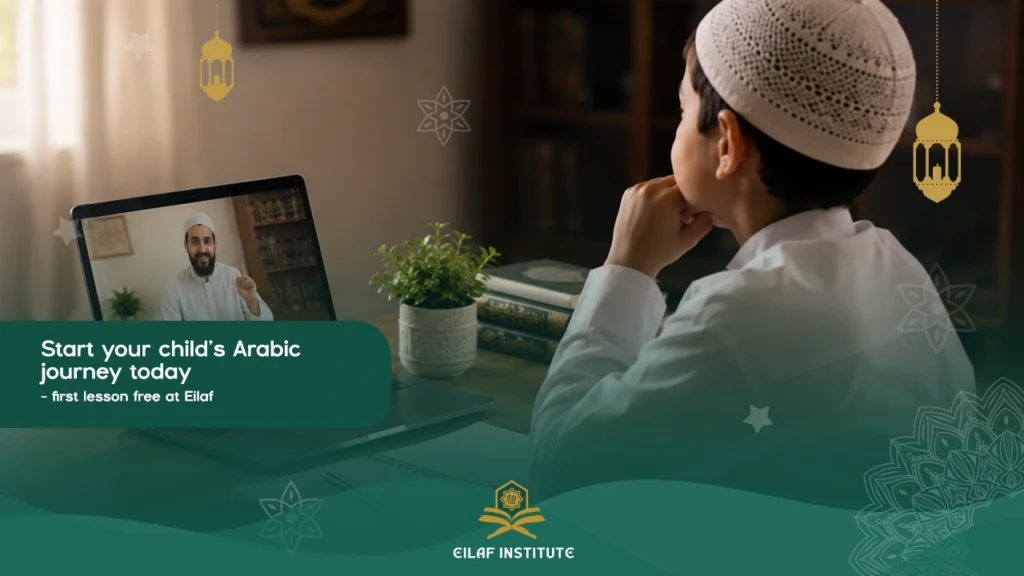
In a mosque school, children sit in a classroom or a prayer hall with their peers, which creates a sense of collective identity and shared purpose. This environment is structured by the physical presence of an imam or teacher who can observe body language and maintain discipline easily. Conversely, online Islamic courses take place in a digital space, usually via video conferencing. This environment is quieter and eliminates the distractions of a large group, allowing the student to focus entirely on the screen and the teacher’s instructions.
Flexibility vs Traditional Structure
Madrasahs typically follow a strict schedule, often requiring attendance several days a week at specific times. This structure is excellent for building a routine, but it can be difficult for families with multiple extracurricular commitments. Online learning offers a far more adaptable schedule. Parents can book lessons for early mornings, late evenings, or weekends, making it a popular madrasah alternative for UK families.
What Families Value Most
Families who choose the madrasah often value the spiritual atmosphere of the mosque and the discipline of a traditional setting. They want their children to see the mosque as a second home. Families choosing online platforms often value efficiency and safety. They prefer to monitor their child’s progress directly from the next room and appreciate the ability to choose a teacher from anywhere in the world who might have better qualifications than those available locally.
What Madrasah Offers That Online Doesn’t?
A mosque school provides a unique social and spiritual ecosystem that is rooted in physical presence and communal worship. It serves as the heartbeat of the local Muslim community, offering experiences that transcend simple academic learning.
In-Person Social Interaction
At a madrasah, children make friends who share their faith and values. These friendships are often formed during breaks, before class starts, or while walking to the mosque. This social aspect helps children realize they are part of a larger Ummah, which is vital for building a confident Muslim identity. The peer-to-peer motivation in a classroom can also encourage a child to work harder when they see their friends progressing through the Quran.
A Strong Community Connection
Regularly visiting the mosque helps children feel a sense of belonging to their local community. They become familiar with the elders, the imams, and the various events held at the center. This connection ensures that the mosque remains a central part of their lives as they grow into adulthood. The physical act of entering a sacred space also instills a sense of “Adab” (etiquette) and reverence that is sometimes harder to convey through a computer screen.
Structured Religious Learning
Madrasahs often follow a time-tested syllabus that has been used for generations. This involves a clear progression from basic Arabic letters to full recitation and memorization. The presence of a teacher in the same room allows for immediate physical corrections in posture and Tajweed, ensuring that the child develops a disciplined approach to their studies.
What Online Courses Offer That Madrasah Can’t?
The shift toward Islamic home learning vs madrasah is driven by the desire for personalized instruction and the removal of logistical barriers. Online platforms leverage technology to provide a level of educational precision that is often impossible in a crowded classroom.
Learning from Home
The convenience of home learning removes the stress of the “madrasah run,” saving parents hours of driving every week. For children, the home environment is comfortable and safe, which can reduce the anxiety some feel in large groups. This comfort often leads to better focus, as the child is not worried about peer judgment or the noise levels of a busy mosque hall.
Flexible Schedules for Busy Families
Online Quran Academy programs allow parents to pause or reschedule lessons during exam periods or family holidays. This level of control ensures that religious education does not become a burden or a source of conflict at home. Because classes are often available 24/7 due to teachers living in different time zones, parents can find the exact slot that works for their child’s peak energy levels.
Access to Qualified Teachers Worldwide
One of the biggest advantages of the Best Online Quran Classes for Kids is the ability to choose an expert regardless of geography. If a local mosque lacks a teacher with a high-level Ijazah or one who speaks fluent English, parents can simply go online. This access ensures that children learn correct Tajweed and Islamic history from specialists who are trained in modern pedagogical techniques.
Why More Families Are Choosing a Hybrid Approach?
Many parents are now choosing to mix both methods to get the benefits of community and the efficiency of private tutoring. This hybrid model ensures that the child receives the best of both worlds without feeling the limitations of just one.
Combining Flexibility with Community Learning
A child might attend the madrasah on weekends for the social and communal experience but have one-on-one online sessions during the week for intensive Quranic memorization. This allows the child to stay connected to their local friends while ensuring their Tajweed and Hifz progress is monitored closely by a private tutor who can focus on their specific weaknesses.
Balancing Academic and Islamic Education
As children get older, schoolwork becomes more demanding. A hybrid approach allows parents to scale back mosque visits during busy school terms while maintaining the consistency of Islamic education through shorter, more frequent online sessions. This prevents the child from falling behind in their religious studies while they focus on their secular exams.
How to Make the Right Decision for Your Family?
Choosing between these options requires an honest assessment of your child’s needs and your family’s lifestyle. There is no “perfect” choice, only the choice that works best for your specific circumstances.
Considering Your Child’s Learning Style
If your child is shy or struggles with distractions in large groups, they will likely thrive in an online setting where the focus is entirely on them. However, if your child is very social and enjoys being part of a team, the madrasah might be more motivating for them. Pay attention to how your child reacts to different environments before making a long-term commitment.
Evaluating Your Family’s Schedule and Goals
Ask yourself what your primary goal is. Is it for the child to finish the Quran quickly with perfect Tajweed? Online 1-on-1 tutoring is usually faster. Is the goal for the child to feel part of a community and make Muslim friends? The madrasah is the better choice. Also, consider the commute; if the drive to the mosque is long and stressful, it might create a negative association with Islamic learning for the child.
Finding the Best Long-Term Solution
The most important factor is consistency. A child who learns for 20 minutes online every day will often progress faster than a child who goes to a madrasah for two hours once a week but does nothing in between. Choose the option that you can realistically maintain for the next five to ten years.
Is online Quran learning better than madrasah?
Online learning is superior for personalized attention, Tajweed accuracy, and scheduling flexibility. Madrasah is better for social interaction, community belonging, and experiencing the spiritual atmosphere of the mosque.
Can my child do both online courses and madrasah?
Yes, many families use a hybrid approach. They use the madrasah for the social and community aspects and an online tutor for focused, individual Quranic memorization or to help with subjects the madrasah might not cover in detail.
What are the downsides of online-only Islamic education?
The main downside is the lack of physical community. Children might feel isolated in their learning and miss out on the experience of being in a mosque. It also requires more parental supervision to ensure the child stays focused on the screen.