
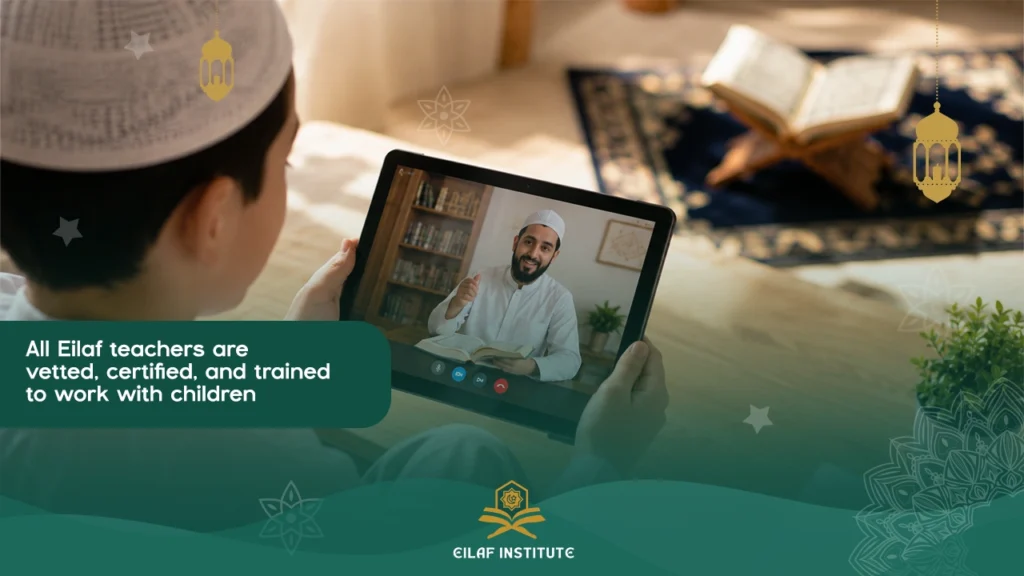
How to choose an online Quran teacher for children? It involves evaluating their pedagogical skills, Islamic credentials, and their ability to connect with young learners in a virtual environment. Parents must look beyond basic fluency and ensure the tutor possesses the patience and technical proficiency required for remote education. Selecting the right mentor sets the foundation for a child’s lifelong relationship with the Quran, making this decision critical for both spiritual and educational development.
How to Choose an Online Quran Teacher for Children: Key Factors Every Parent Should Consider
Selecting a qualified Quran teacher for kids requires a holistic approach that moves beyond simple academic verification. You need to consider how a teacher manages a virtual classroom and whether their personality aligns with your child’s temperament.
Understanding Your Child’s Learning Style First
Every child processes information differently, which dictates the type of teacher they need. Some children are visual learners who benefit from digital slides and colored Tajweed rules, while others are auditory learners who excel through rhythmic recitation and repetition. A successful child Quran tutor assessment begins by identifying if your child needs a high-energy teacher who uses gamification or a calm, steady mentor who focuses on slow, deliberate practice.
Balancing Religious Knowledge with Teaching Ability
Possessing deep knowledge of the Quran does not automatically make someone an effective educator for minors. A teacher must understand child psychology and age-appropriate instructional methods. You should look for someone who can simplify complex linguistic rules into digestible concepts that a seven-year-old can grasp without feeling overwhelmed.
Why Personality Matters as Much as Qualifications
The relationship between a student and a teacher often determines the child’s enthusiasm for the subject. A remote Quran teacher must be naturally patient, encouraging, and capable of using positive reinforcement. If a teacher is overly stern or rigid, a child may develop anxiety regarding their lessons, which can lead to a long-term dislike for religious studies.
Matching the Teacher to Your Child’s Age and Goals
Your choice should change based on whether your child is just starting Noorani Qaida or is beginning Hifz (memorization).
- For Beginners: Prioritize teachers who focus on phonics, pronunciation, and making the alphabet fun.
- For Intermediate Students: Look for those specialized in Tajweed rules and basic Tafseer (interpretation).
- For Hifz Students: Seek a teacher with a structured revision plan and a proven track record of helping students retain long passages.
Qualifications That Separate Great Quran Teachers from Average Ones
A great teacher stands out through a combination of formal certification and the soft skills necessary to maintain a child’s attention through a screen. High-quality instruction ensures that the child learns the correct foundations from day one, preventing the need for corrective lessons later in life.
Formal Quranic and Islamic Education Credentials
Check for an Ijazah, which is a traditional certification granting the teacher permission to teach Quranic recitation or memorization. This ensures they have a direct chain of transmission back to the Prophet (PBUH) and have mastered the rules of Tajweed. Additionally, degrees from reputable Islamic universities provide a broader context for the teacher’s understanding of the faith.
Experience Teaching Children, Not Just Adults
Teaching children is a specific skill set that involves managing short attention spans and keeping lessons interactive. Ask potential teachers how many years they have specifically spent working with kids. Experienced teachers will have a toolkit of stories, metaphors, and rewards systems designed to keep young students focused during a 30 or 40-minute session.
Strong Tajweed Knowledge and Clear Pronunciation
The teacher must have impeccable pronunciation, as children are like sponges and will mimic exactly what they hear. During an initial trial session, listen for:
- Makharij: Are the points of articulation for each letter clear?
- Sifat: Are the characteristics of the letters (like heaviness or lightness) applied correctly?
- Clarity: Is the teacher’s microphone quality high enough to hear these nuances clearly?
Communication Skills That Keep Young Learners Engaged
In a remote setting, the teacher cannot rely on physical presence to maintain order. They must use their voice, facial expressions, and digital tools effectively. A qualified Quran teacher for kids should be able to explain “why” a rule exists in a way that sparks curiosity rather than just demanding rote memorization.
How to Tell If Your Child Has Connected with Their Quran Teacher?
You can determine if a connection exists by observing your child’s behavior before and after the lesson. A positive connection is visible through the child’s willingness to participate without constant parental prodding.
- Anticipation: Does the child get ready for the class on time without being asked?
- Interaction: Do you hear the child asking questions or laughing during the session?
- Post-Class Mood: Is the child happy and eager to share what they learned, or do they seem drained and frustrated?
- Retention: If a child likes their teacher, they are more likely to practice between lessons because they want to impress their mentor.
Essential Questions to Ask Before Choosing a Quran Teacher
Before finalizing your choice, conduct a brief interview to ensure the teacher’s logistics and philosophy align with your family’s needs.
- What is your policy on missed classes or technical issues? Reliable internet and a clear makeup policy are essential for consistency.
- How do you handle a child who is struggling with a specific rule? This reveals their level of patience and teaching methodology.
- Can you provide monthly progress reports? Parents need to know what has been covered and what needs work.
- What digital tools do you use? Do they use digital whiteboards, screen sharing, or specialized Quran software?
- How do you motivate students? Ask about their system for rewards or verbal encouragement.
Read also about: Best Online Quran Classes USA for Kids & Adults
When Changing Quran Teachers Can Be the Right Decision?
Changing a teacher is necessary when the current arrangement hinders the child’s progress or emotional well-being. While consistency is important, staying with the wrong teacher can be detrimental.
- Lack of Progress: after several months, if the child has not moved forward despite regular attendance.
- Fear or Anxiety: If the child cries or shows signs of extreme stress before the lesson.
- Unprofessionalism: Constant tardiness, frequent cancellations, or distractions in the teacher’s background.
- Mismatched Goals: If the teacher is pushing for speed while you prefer a focus on quality and Tajweed.
Common Mistakes Parents Make When Selecting a Quran Teacher
Avoiding common pitfalls will save time and ensure your child receives the best possible start to their religious education. Many parents prioritize the wrong metrics, leading to a breakdown in the learning process.
Focusing Only on Qualifications
An Ijazah is vital, but it does not guarantee the ability to handle a distracted five-year-old. Some of the most highly qualified scholars may lack the patience or the simplified vocabulary needed for early childhood education. Always prioritize the teacher’s ability to communicate at a child’s level.
Choosing Based Solely on Price
Low-cost options often come with larger group sizes or teachers who are overworked and less invested in individual student success. Quality Quranic education is an investment; a slightly higher rate often ensures a more dedicated, professional, and reliable remote Quran teacher.
Ignoring the Importance of Teacher-Student Chemistry
You might find a teacher who is perfect on paper but simply does not “click” with your child. Forced learning rarely results in long-term retention. If the chemistry isn’t there, the child will view the Quran as a chore rather than a blessing.
Expecting Immediate Results Without a Learning Plan
Many parents expect their children to memorize chapters rapidly without understanding that a solid foundation takes time. A good teacher will prioritize correct pronunciation over speed. If you focus only on how many pages are finished, you might overlook significant flaws in their recitation.
What qualifications should a kids’ Quran teacher have?
A teacher should ideally hold an Ijazah in Tajweed or Hifz and have a background in Islamic studies. More importantly, they should have specific training or documented experience in childhood education and be proficient in using online teaching platforms.
How do I know if my child’s Quran teacher is good?
A good teacher is identified by their patience, the clarity of their Tajweed, and their ability to keep the child engaged. If your child understands the lessons and looks forward to the class, these are strong signs of an effective teacher.
Is it OK to change my child’s Quran teacher?
Yes, it is perfectly acceptable to change teachers if the current one is not a good fit. It is better to switch to a more compatible mentor than to let a child develop a negative association with learning the Quran due to a poor teaching match.