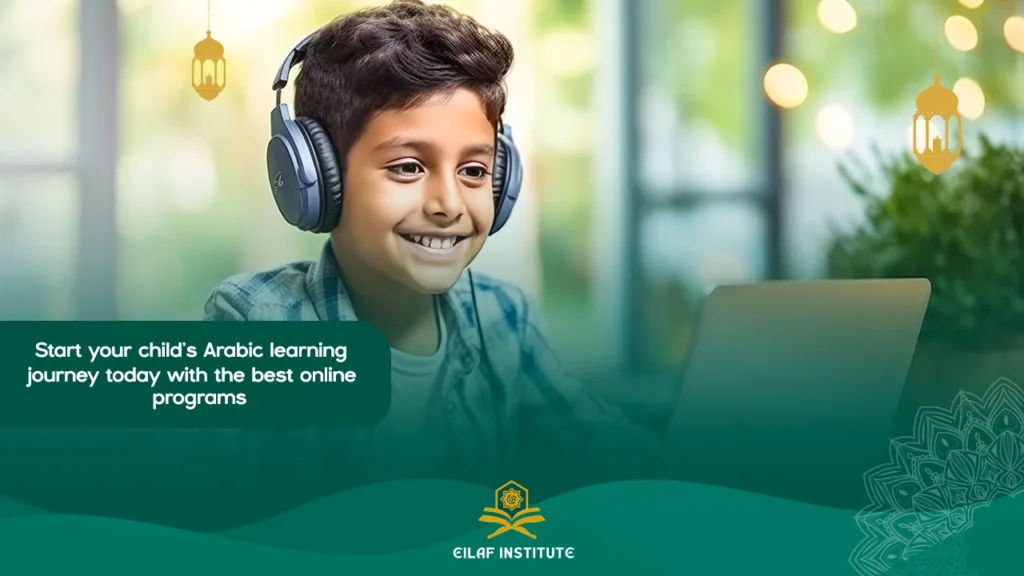
The best online Arabic course for kids is one that treats the language as a living experience rather than a school subject, combining native-speaking tutors with interactive play and a structured curriculum like the one offered by Eilaf. By focusing on engagement through games and storytelling, children can gain fluency naturally while enjoying the process from the comfort of home.
Why Kids Should Learn Arabic Early?
Children possess a unique neurological window that allows them to acquire Arabic as a primary language rather than a secondary subject, making early childhood the most efficient time for linguistic development.
- Brain Plasticity:
- A child’s brain is like soft clay; it is highly adaptable and can form new neural pathways for language much faster than an adult’s brain. This biological advantage allows them to pick up complex grammar and vocabulary without the struggle of conscious memorization.
- Native-Like Pronunciation:
- Arabic contains unique sounds, such as the letters (ق, ح, ع), which are difficult for adults to master. Children have the “musical ear” needed to mimic these sounds perfectly, ensuring they grow up with a clear, native-sounding accent.
- Cognitive Flexibility:
- Learning a second language like Arabic is like a mental workout. It improves a child’s problem-solving skills, memory, and multitasking abilities because their brain constantly switches between two different linguistic systems.
- Cultural Connection:
- Language is the bridge to heritage. For children of Arab descent living abroad, learning the language early keeps them connected to their family, history, and roots, preventing a sense of cultural isolation as they grow older.
- Long-Term Academic Success:
- Research shows that bilingual children often perform better in other subjects, including mathematics and logic, because the process of learning a complex language sharpens their analytical thinking.
Benefits of Online Arabic Courses
Online Arabic courses provide a safe, flexible, and resource-rich environment that eliminates the physical and geographical barriers of traditional classrooms.
- 1- Access to Native Experts:
- You are no longer limited by your local neighborhood. Online platforms allow your child to study with expert teachers from Egypt, Jordan, or Saudi Arabia, ensuring they learn the correct dialect or Modern Standard Arabic from its source.
- 2- A Stress-Free Environment:
- For many kids, a physical classroom can be intimidating. Learning from a favorite chair at home reduces anxiety, making the child more willing to speak, make mistakes, and participate in conversations.
- 3- Gamified Learning Tools:
- Digital platforms use colorful slides, virtual stickers, and interactive quizzes. This turns the lesson into a game, which is a powerful way to keep a child’s attention for 30 or 45 minutes without them feeling bored.
- 4- Time and Schedule Control:
- Parents can fit lessons around school and extracurricular activities. There is no need to spend hours in traffic driving to a language center; the classroom is just a click away.
- 5- Parental Monitoring:
- Online courses allow parents to observe the teaching style and track their child’s progress directly. You can see what they are learning and help reinforce the vocabulary during daily routines.
Know more about: Best Online Quran Classes USA for Kids & Adults
How to Choose the Right Course
To choose the right Arabic course, you must evaluate the teacher’s qualifications, the level of interaction in the curriculum, and whether the teaching style matches your child’s personality.
- Check Teacher Specialization:
- It is not enough for a teacher to speak Arabic; they must be trained specifically in teaching children. Look for tutors who understand child psychology and know how to use “Total Physical Response” (using gestures and movements) to explain words.
- Evaluate the Curriculum:
- Avoid courses that rely on heavy grammar books. The right course should focus on “Communicative Language Teaching,” where the child learns to speak and understand first, then moves to reading and writing later.
- Trial Sessions:
- Always look for a platform that offers a trial lesson. This is the only way to see if the teacher can build a “chemistry” with your child. If the child is smiling and laughing during the trial, you have found the right fit.
- Class Size:
- For children, small groups or one-on-one sessions are best. In a large online group, a child can easily get distracted or “hide” behind other students. Personalized attention ensures the teacher corrects their pronunciation in real-time.
Read also about: Tajweed Classes for Kids Online
What is the Best Online Arabic Course for Kids?
The best online Arabic course for kids is Eilaf, which stands out for its immersive methodology that prioritizes conversational fluency and child-friendly digital tools.
- Tailored Content: Eilaf does not use a “one size fits all” approach. Their curriculum is designed specifically for non-native children, using themes they enjoy, such as animals, family, and space.
- Native-Speaking Tutors: They employ teachers who are experts in making the language come alive. These tutors act as mentors, encouraging the child to speak from the very first lesson.
- Interactive Platform: The lessons are far from a boring video call. They involve interactive whiteboards and digital activities that require the child to participate actively rather than just listening.
- Balanced Skill Development: While the focus is on speaking, Eilaf ensures that the child also builds a strong foundation in reading and writing (Noorani Qaida or basic literacy) in an integrated way.
- Proven Results: The platform has a track record of helping children who had zero prior knowledge of Arabic reach a level where they can hold basic conversations and read short stories independently.
Top Platforms for Teaching Arabic to Kids
While many platforms exist, the most effective ones are those that focus on high-quality human interaction and specialized curricula like Eilaf and similar professional institutes.
- Eilaf (Highly Recommended): This platform provides a comprehensive online Arabic classes that focuses on simplified learning. Their methodology is built on making the language feel like a fun hobby rather than a chore.
- Specialized Language Schools: Some platforms focus specifically on Modern Standard Arabic (Fusha), which is the key to reading the Quran and literature. These are great for academic goals.
- Interactive App-Based Platforms: Some services use apps with high-end animations. While these are good for vocabulary, they lack the human feedback necessary for correct pronunciation.
- One-on-One Tutoring Sites: These sites allow you to browse hundreds of tutors. While flexible, they often lack a unified curriculum, which is why a structured academy like Eilaf is often a better choice for long-term progress.
What is the best age to learn Arabic?
The best age to start learning Arabic is between 3 and 7 years old, as this is the period when the brain is most receptive to new phonetic sounds and structural patterns.
- During this window, children do not “translate” in their heads; they simply absorb the language.
- However, Arabic can be learned at any age. Even older children (8-12) can achieve high levels of fluency quickly if they use the right interactive methods.
- The key is starting as early as possible to ensure the child develops a natural accent and a deeper intuitive grasp of the grammar.
Are online courses effective for kids?
Yes, online courses are highly effective for kids because they leverage the digital-native nature of today’s children, using screen time for productive and educational purposes.
- The effectiveness depends on the teacher’s ability to keep the child engaged through visual aids and constant interaction.
- Unlike physical books, digital lessons can be updated instantly and can include multimedia that caters to different learning styles (visual, auditory, and kinesthetic).
- Many parents find that their children are more focused during a 30-minute online 1-on-1 session than they would be in a two-hour physical classroom with 20 other students.
How long does it take for a child to learn Arabic?
A child can usually start speaking basic sentences and understanding common daily instructions within 3 to 6 months of consistent, twice-weekly lessons.
- Becoming “fluent” is a longer journey that typically takes 2 to 3 years of steady practice.
- The speed of learning depends on “exposure.” If a child hears Arabic only during their lesson, progress will be steady. If they watch Arabic cartoons or practice with parents between lessons, progress will be much faster.
- Consistency is the most important factor; a child should study for 20 minutes three times a week rather than for two hours once a week.